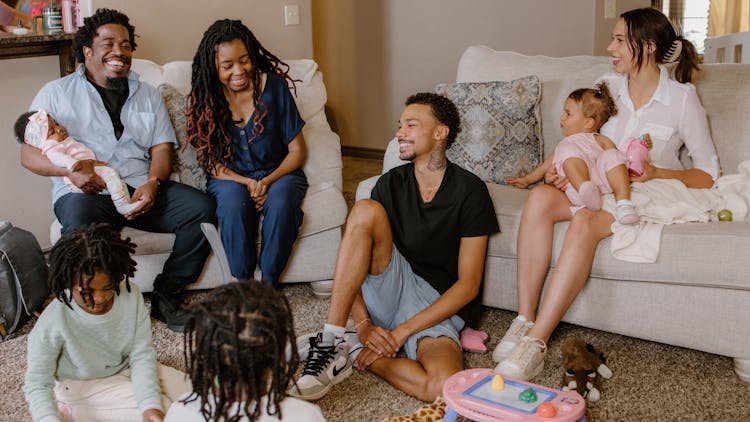
Welcome, Buddy Leaders and Student Buddy Leaders! You’ve said ‘yes’ to one of the most meaningful roles in LifeKids—walking alongside a child who needs a little extra support.
In this article, we’ll touch on what to expect and how to thrive in your role. We won’t cover every detail because being a Buddy is a constant learning experience. But, you’ll get a general overview of what it’s like to be a Buddy. There are plenty of articles right here on Leaders.Life.Church to help you out along the way. And we’ll link to some great ones to dig into at the end of this article.
If you’d rather take in this information through a video teaching, just click play on the video above and our host will walk you through it!
Let’s get started!
What Are the Two Buddy Roles?
There are two ways to serve as a LifeKids Buddy: Experience Buddies and One-on-One Buddies.
Experience Buddies are on-call at every service. They’ll work closely with the Coach who can help alert them to a child who’s having a difficult moment. They’re ready to support any child who needs additional support for any reason throughout the service.
One-on-One Buddies are paired with a specific child who’s demonstrated a need for ongoing support. They partner with a child’s family to provide consistency and deeper connection.
Fun fact: If you’re serving as a one-on-one Buddy with a child and they can’t make it to church one week, you can still serve as an additional Experience Buddy that weekend at your campus! Because the more support in any room, at any service, the better!
What Do Buddies Do?
First, we follow all LifeKids Safety Non-Negotiables. We …
Always Have Two Adults in the Room or Working with the Child
If your little buddy needs attention or a break outside their usual LifeKids Room, please ask your Coach or another available adult Buddy Leader to support you.
We …
Maintain Name Tag Security
If you’re taking a quiet break in another area of LifeKids with another adult leader, return to the little buddy’s usual LifeKids room for a secure check-out.
We follow …
Restroom Rules for Kids
Keep doors ajar or top-half open. Female leaders provide direct assistance and change diapers. If a restroom is not provided within the room, two adult LifeKids leaders must escort the child to the restroom.
We …
Wear Our LifeKids Shirts Every Week
This helps parents know that you’re a safe, background-checked leader.
And even Buddies adhere to …
No Kids Sitting in Laps
If a child requests to do so, simply ask them to sit next to you.
As a Buddy, your role is to be a calming, friendly presence and provide additional support to any child who needs it for any reason.
You’ll always lead with praise and positivity. As Colossians 3:12 says, you’ll clothe yourself with compassion, kindness, humility, gentleness and patience.
You’ll stay close to your little buddy, help them participate in as much of the programming as they can, and monitor them to make sure they’re safe and that the other kids are safe. Helping a child feel safe, calm, included, and loved decreases some distressed behaviors they may otherwise display. Let’s move on to understanding and supporting our little buddies!
Understanding Behavior and How to Support It
First off, if you’re a Student Buddy Leader, you’ll provide support to a child and help keep them happy and regulated. But, your job is to support, not to correct. If a child’s unable to respond to the support you’re giving, get help right away from an adult leader who’s in the room with you.
Next up, let’s talk about understanding behavior. Children have limited ways to express their needs. Children who are stressed or who have various disabilities or differences may have even fewer ways to get their needs met.
Here’s a huge key: Buddies recognize that all behavior is communication. Behavior that’s concerning is usually communicating an unmet need.
So, what are some behaviors that show a child needs support?
- Crying
- Trying to escape
- Hiding
- Pushing
- Grabbing, running, shouting
- Refusing to do what you ask
And what might a child be communicating with these actions?
- I’m afraid.
- I’m bored.
- It’s too loud, bright, or chaotic in here.
- I need space.
- I want some attention.
- What I’m doing is comforting me.
Lastly, how will a Buddy support a child so their needs are met?
You might already have insights from the child’s parents or caregivers. Ask your LifeKids pastor if they have a Fun Facts & Helpful Hints form on file. It can give you tips from parents as to what helps their child have fun and feel safe.
Here are some Do’s and Don’ts that might help you as you work with your little buddy.
Do:
- Keep a neutral, calm face and tone of voice. Staying emotionally regulated yourself is a powerful example to the child and helps de-escalate their own stress. If you need a break, that’s okay too. Your coach or another Buddy leader can step in to help.
- Keep an eye on exits and make sure they’re secure.
- Offer toys or other sensory supports. (more on that coming up!)
- Redirect to something that’s appropriate or less distracting—like allowing them to play with a desired toy in a quiet area, helping them to jump or dance to let out extra energy, and so on.
- Offer a break. If a child is loudly crying or vocalising, unable to keep their body away from other kids, or showing other signs they need a break, try going on a short walk or moving to an empty room with your coach or another Buddy leader. A quieter environment with fewer people can help them reset, burn off some energy, or calm down.
- Call for help if safety is a concern.
And now for some Don’ts:
- Don’t restrain a child, physically, unless they’re in serious danger.
- Get help from LifeKids staff as soon as possible.
- Only use the most gentle holding you can if a child is in immediate danger such as: they’ve somehow escaped the room and are about to run out of the building.
- Don’t put pressure on yourself to have a “picture perfect” experience with the child you’re supporting. Did you help a child and their family know they’re loved today? Will you ask for support strategies and ideas? Will you try again next time? Then you already are doing a perfect job! Your job isn’t to fix everything—it’s to stay calm, redirect, adapt, and create a safe space.
Collaborate with other Buddies and Coaches at your campus. Again, be sure to check out the end of this article for tons more resources to help you become the best Buddy you can be!
The Power of Sensory Support
One of the biggest challenges many kids face in LifeKids is rooted in discomfort caused by a sensory issue. The longer you serve as a Buddy, the more you’ll appreciate how a little sensory support can go a long way.
Think about it. Our LifeKids environment can have lots of moving kids, sounds, sights, and—yes—smells.
Each of these can add a heavy layer of physical discomfort to a child who may already be struggling to understand the LifeKids environment and expectations.
So, each week, before you begin serving, look through the sensory supports at your campus. Get a drawstring bag, and fill it with a few support items.
It’s amazing how using ear defenders can take a child out of their fight-or-flight state so they can enjoy free play, worship, or any other loud portion of your service. It’ll blow you away how giving a child a fidget toy to play with can help them calm down, focus, and absorb what’s being presented to them.
Don’t miss the “Tips for Using Sensory Toys or Comfort Items” training found at the end of this article. Sensory support is one of the most powerful and meaningful ways to support a variety of needs in LifeKids.
Partnering With Parents and Caregivers
When you support a child, you’re also supporting their whole family. Here are some great ways you can partner with the parents and caregivers of the children you support at your campus.
Ask for permission to stay in touch. Asking is respectful, shows you care, and can even help you coordinate schedules. See if it’s okay to connect with them during the week and consider checking in before church to see how the child’s been doing.
Ask how you can pray. Then, put a reminder on your phone so you don’t forget!
Find something positive to share each week! Maybe your little buddy danced with you during worship, or joined a small group for the first time. Or, maybe you’ve noticed ways they’re forming bonds with other kids.
All parents want to know their child is loved and that their child is making a positive impact on the people in their life. So—please don’t hold back, Buddy! These aren’t small things. To a parent, they’re everything!
Final Encouragement
If you take away one piece of learning today, please know this. You don’t have to be perfect. Just be present. You’re showing up for a child who needs to know they belong and are loved—by you, LifeKids, and by Jesus. Thank you for stepping in to serve in this way. You’re truly changing lives.
And thank you for helping us make sure all kids feel safe and comfortable in LifeKids.
As promised, here are your handy-dandy links to some great additional training if you’re ready to keep learning!
What Are the Two Buddy Roles?
What Do Buddies Do?
- Tools for Every Buddy
- What Will I Do on the Weekend With My Little Buddy?
- How to Be a Mentor to Your Little Buddy
- How to Work With Your Little Buddy Without Making Other Kids Jealous
Understanding Behavior and How to Support It
- How Buddies Handle Concerning Behaviors With Grace
- Runners, Escape Artists, and Disappearing Acts—Oh My!
- Words That Calm, Soothe, or Redirect Upset Kids
- Using Play to Redirect
- Using a Change of Attention to Redirect
- Using Appropriate Touch to Redirect
- How to Lead Kids Through a Regression—AKA a Rough Patch
The Power of Sensory Support
Partnering With Parents and Caregivers